Part 5: Good Leaders See the Best Versions of Others and Help Them Get There
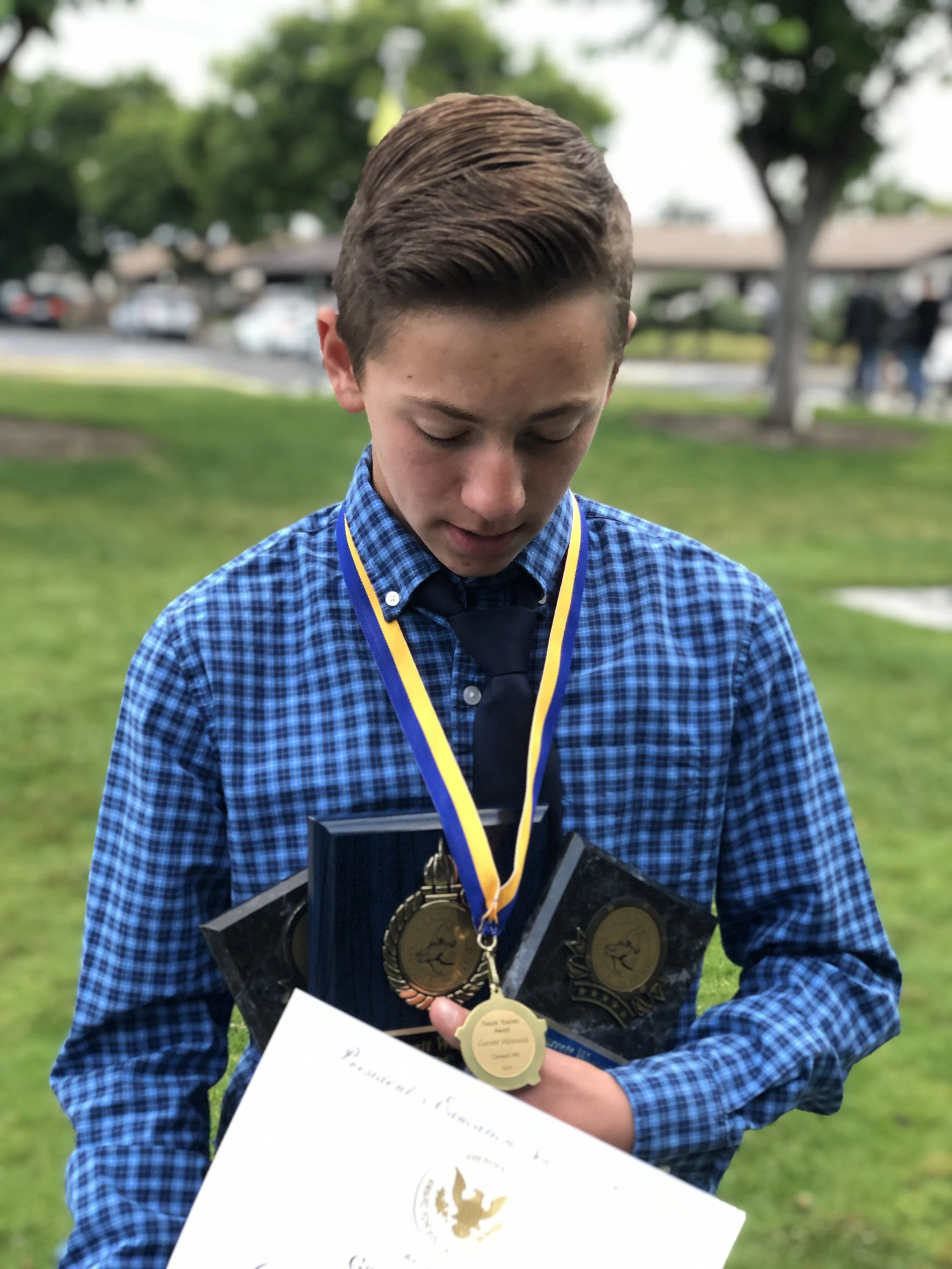
Think back to a time in your life when somebody saw something uniquely good in you that you weren’t aware of, and named it.
You see, one of the drawbacks of our human condition is that our individual areas of giftings are often hidden from us–they feel so natural and come so easily, that we just assume everyone has these same gifts.
But when others notice–maybe a teacher, or a close friend; a coach or boss, points out something that is uniquely yours, you might begin the process of believing it for yourself, thus unlocking the beautiful journey of discovering, and utilizing, your gifts.
But oftentimes, this doesn’t fully happen without the vision and input of someone else.
I can think back on several times in my life when someone saw something in me that I didn’t believe, but when I took steps of faith, trusting that what they saw was true, my life changed. I became a better version of myself, and as a result projects I was involved in, initiatives I was taking, and the relationships around me, all benefitted.
And here’s where leadership gets interesting.
Far too many leaders are in “gotcha” mode, looking for ways to catch their people doing something wrong, so that they can step in and “lead” them away from their stray paths. I’m sure many of us have had bosses like this. (I remember having a boss who used to just shake his head and bark the word “unacceptable!” to me whenever I did something that wasn’t to his liking.)
In contrast, what about those leaders who aren’t stuck in policeman mode, but are instead able to zoom out and notice the areas where the people around them shine, and invite more of that out of them.
This isn’t reserved just for the bosses, by the way–noticing and inviting are one of the ways we are all called to be leaders to those around us, whether we have a large platform or not.
Years ago, I called one of my employees into my office for a quick chat. As he sat down, he politely asked if he could record our conversation in case things went south. I told him he could record it if he wanted, but the reason I asked him into my office was to get his opinion on a project we were working on. I thought his perspective was valuable to our objective, and I wanted to give him space to share it.
How sad that his previous interactions with those in authority prompted him to feel unsafe to the point of asking for a recording of the conversation. And you can imagine the surprise (and relief) when he heard why I wanted to talk with him.
That conversation was a catalyst for other conversations, where he felt safe sharing his input and perspective, and it opened up opportunities for all of us to be better because of it.
So whether you’re a coach, a teacher, a boss, or simply a good friend or loving spouse, you have been given influence to a sphere of people around you. The more intentional you are about noticing their gifts, pointing them out, and helping them get to that “better version”, the better our communities become.
And let’s not skip that last step. Leadership requires intentional, and regular, investment.
Think of this in financial terms: Yes, a one-time financial investment will grow over time, but skilled financial managers recognize that investing in regular intervals over a span of time will far outpace the growth of a single investment.
So let’s not make our personal investment in others a one-time thing, but rather, let’s make investing in people a permanent change of perspective and process that we can build into our everyday lives. Because there are people in your sphere right now who would be so blessed by your personal investment in them.
Oh–and isn’t this exactly what Jesus did?
The entire gospel contains story after story of Jesus offering His leadership in a way that calls something beautiful and good out of a person, and invites them to step more fully into the person they were created to be.
His regular, intentional investments in people literally changed the world.
What would it look like if we practiced a little more of that approach with those around us today?
Questions for Reflection:
Think back to a time when someone noticed something uniquely good about you and pointed it out. What was that experience like for you?
To what degree can you relate to the fearful employee who was used to bosses trying to police rather than build up?
Who in your life could benefit from a little more of your intentionality right now? What are your fears (or other obstacles) that might prevent you from taking initiative?
If someone has invested in you becoming a better version of yourself, have you taken the time to express your gratitude to them? What resulted from that conversation?